How Does Roof Ventilation Work?
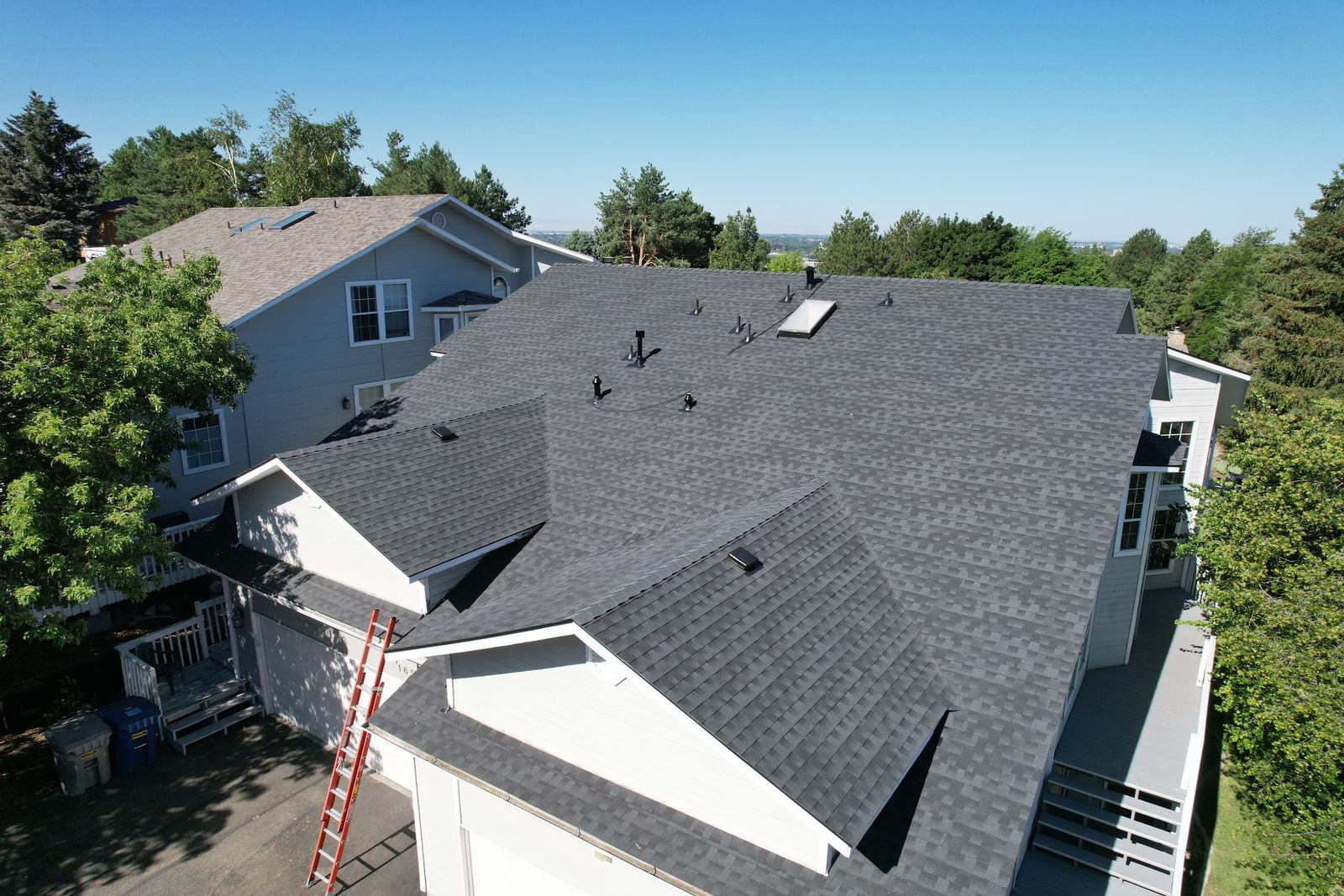
Think of your attic as a chimney that lies on its side. Cool air enters low, along the soffit and fascia line, and warm air exits high, at the ridge vent or box vents near the peak. The system only works when intake and exhaust stay in balance. Exhaust with no intake pulls conditioned air out of your house. Intake with no exhaust traps heat under the roof decking. Vent sizing follows attic ventilation ratios set in the building code the International Code Council publishes.
None of this needs power on most homes. Wind and rising heat do the work all day, every day, for the life of the roof.
What Happens When an Attic Can’t Breathe?
In winter the same imbalance is what feeds ice dams. In summer, a sealed attic can run far hotter than the air outside. That heat cooks asphalt shingles from below, and curling shingles, blistering and early granule loss follow. It bleeds into your living space too, which makes the air conditioner run longer and harder.
Winter is worse. Warm, damp air from showers, cooking and laundry rises into a cold attic and condenses on the underside of the roof decking. Wondering what causes a roof to leak in winter? Often it is not a leak at all. It is condensation dripping off cold sheathing, staining ceilings and feeding mold. Trapped heat brings ice dams next: snow melts high on the roof, refreezes at the cold eaves and backs water up under the shingles.
Ridge Vent, Box Vents or a Powered Fan?
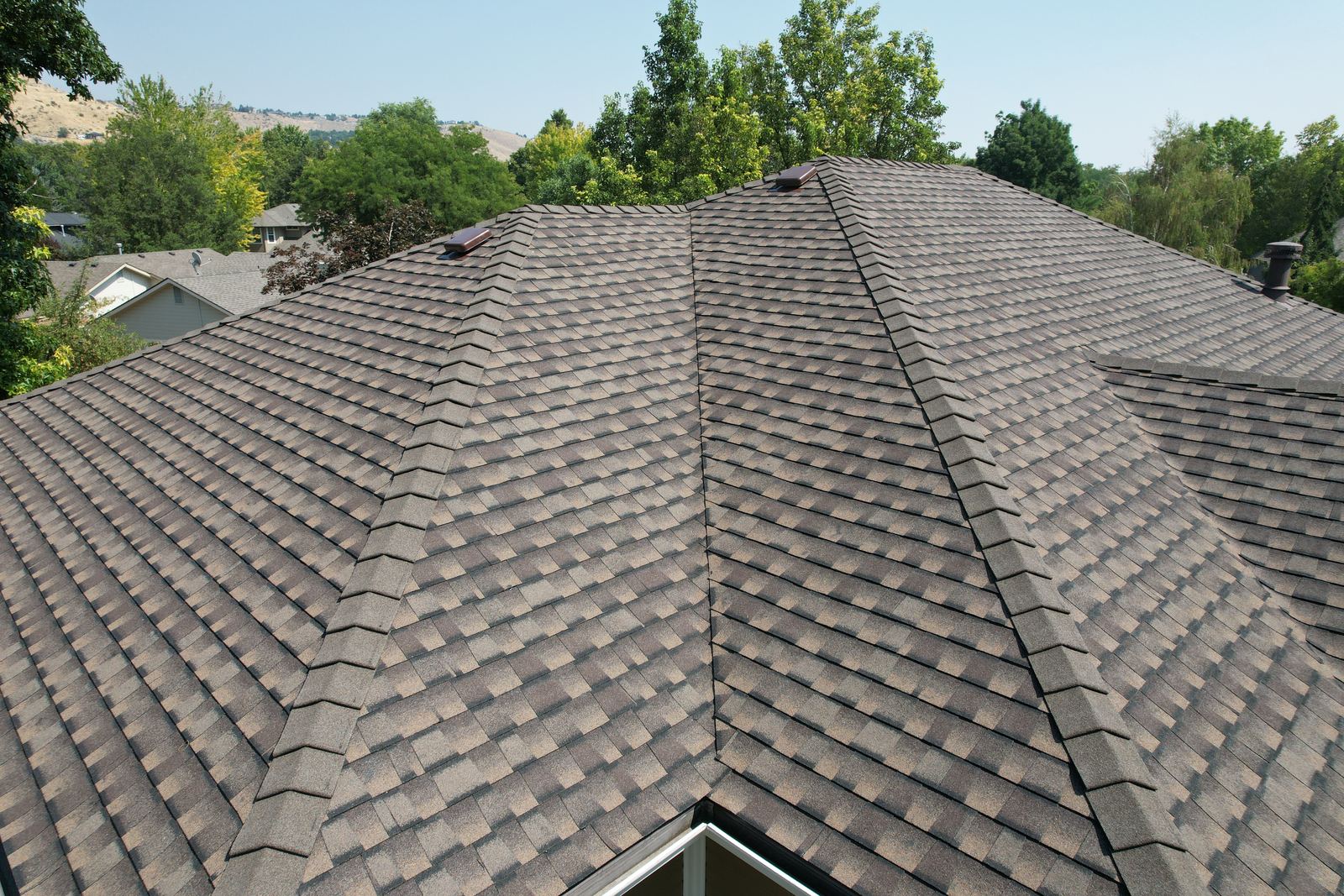
A continuous ridge vent is the workhorse for most Idaho homes. It runs the length of the peak, vents evenly and disappears into the roofline. Box vents cost less per unit and suit short or chopped-up ridges. Powered attic fans move the most air but need electricity, and they can pull conditioned air from the house if intake is weak.
Good airflow is one part of how to maintain a roof, and it is the part most homeowners never see. If your roof is due for replacement anyway, that is the cheapest moment to fix venting, since the crew is already opening the ridge. Ask about it when you price a roof replacement in Boise.
Attic Insulation and Ventilation Work Together
Attic insulation and attic ventilation are teammates, not rivals. Insulation slows heat moving between the house and the attic. Ventilation flushes out the heat and moisture that get through anyway. A home needs both in the right amounts.
The most common mistake we see: fresh blown-in insulation pushed tight against the eaves, smothering the soffit vents. Baffles fix it for a few dollars a bay. The payoff is a cooler attic, drier decking and a longer roof lifespan.
Signs Your Ventilation Falls Short
You do not need to climb into the attic to catch the big clues. Watch for these:
- Upstairs rooms that stay hot long after sunset
- Ice dams or thick icicles every winter
- Frost on nail tips inside the attic
- Musty smells or rusty nail heads
- Shingles wearing out faster than their rated life
A common question follows: how often should I schedule roof maintenance? Once a year works for most homes, plus a check after big storms. Venting is part of a roof inspection in Boise and the surrounding valley.
Get Your Attic Checked Before the Next Season Turns
Bork Roofing has balanced attics and roofs across the Treasure Valley since 2004, from downtown to Meridian. As a GAF Master Elite contractor, we set up venting to match the shingle system over it. Book a free roof inspection or call (208) 869-6674 and we will tell you, in plain terms, if your attic can breathe.
Sources: ENERGY STAR · International Code Council