What Makes a Climate Ready Roof?
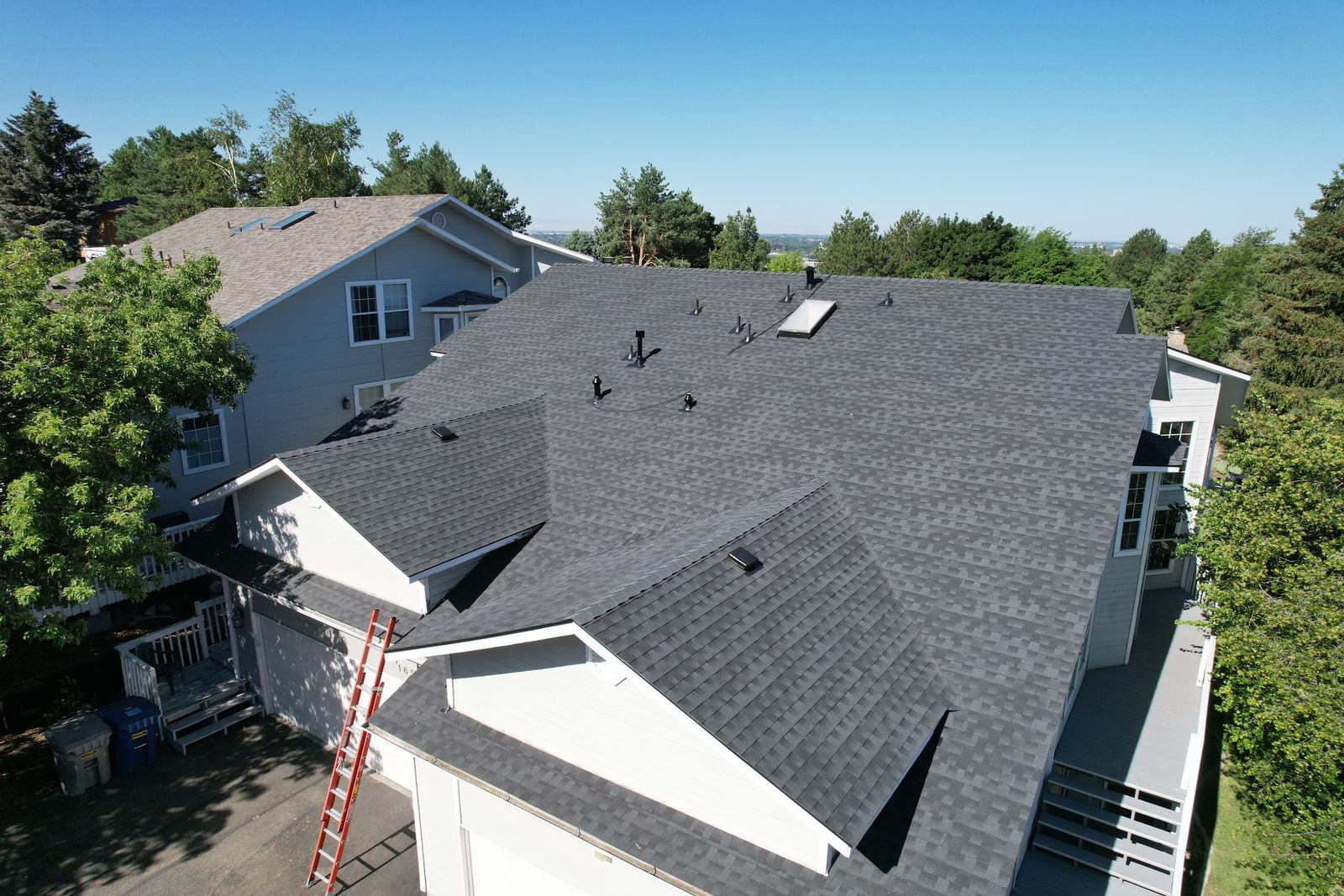
Building codes set the minimum a roof must survive. A climate ready roof aims higher, and the playbook for it is public: the Insurance Institute for Business and Home Safety publishes the FORTIFIED Roof standard, a checklist of upgrades that keep roofs on houses through severe weather. The core ideas are simple. Seal the deck so a lost shingle does not become a leak. Lock down the edges where wind pries first. Choose coverings rated for impact and uplift.
None of these upgrades need exotic products. They are ordinary details, chosen deliberately, installed once, at the moment you replace the roof anyway.
Hail: Class 4 Impact Resistant Shingles
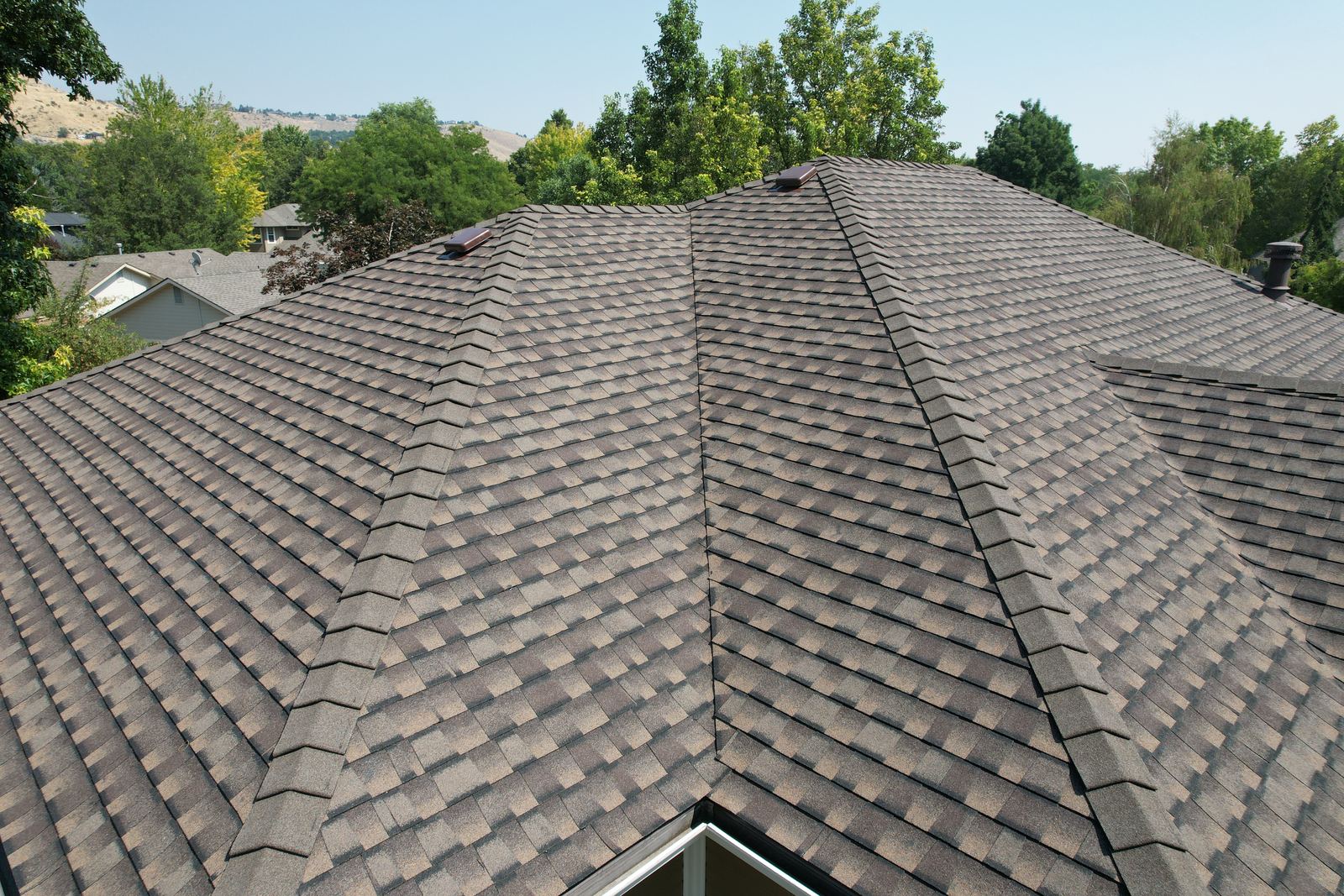
Hail is the valley’s most expensive roof visitor. Standard shingles bruise, crack and shed granules under stones that Class 4 impact resistant shingles ride out. The rating comes from a drop test that mimics hailstones, and the difference shows up in fewer torn up roofs after a summer cell rolls through.
There is a money angle too. People ask, does a metal roof lower my insurance, and the same question applies to Class 4 shingles: some Idaho carriers offer discounts for rated roofs, so ask your agent and get the answer in writing. If hail beats you to the upgrade, our storm damage repair team and our insurance claim help get the paperwork and the repairs moving together.
Wind Rating and Edge Details
Thunderstorm gusts and microbursts hit the valley every summer. Owners ask what is wind damage to a roof and what can I do about it, and the answer starts at the edges: wind uplift peels roofs from the rakes, eaves and corners inward. A climate ready design fights back with shingles carrying a high wind rating, six nails per shingle on the marked nail line, wider starter strips and heavier drip edge metal locked to the deck.
These line items cost little during a roof replacement, and they are the difference between losing zero shingles and losing forty in the same gust.
Snow Load, Ice and Water Shield
Winter attacks a roof twice: with weight and with water. Snow load damage is rare on newer homes but real on older structures and additions, and drifting can stack one slope far deeper than the rest. The sneakier threat is the freeze thaw cycles at the eaves, where escaping attic heat melts snow that refreezes into ice dams and pushes water backward under the shingles.
The defense stack: ice and water shield across the eaves and valleys, balanced intake and a ridge vent to keep the deck cold, and solid attic insulation so the heat stays in the house. A standing seam metal roof adds snow shedding on top, a real advantage in the foothills around Eagle and beyond; compare options with our metal roofing team.
Built Once, Built for the Weather
The material comparison and the energy side of the choice both feed this. Durable roofing is a set of decisions, not a single product, and every one of them is cheapest on replacement day. Architectural shingles in a Class 4 line, upgraded nailing, sealed deck, ice and water shield, real edge metal: the whole package often adds a small slice to the project and pays it back in the first bad season.
Bork Roofing has built for Idaho weather since 2004 and holds GAF Master Elite status. Call (208) 869-6674 and ask what a climate ready roof looks like on your house.
Sources: Insurance Institute for Business and Home Safety · Idaho Department of Insurance · IBHS FORTIFIED Roof