Metal Roofing vs Asphalt Shingles: What Are the Real Differences?
Both systems keep water out. The differences live in cost, lifespan, weather behavior and looks, and Idaho’s mix of hot sun, hail and snow makes those differences sharper than in milder states.
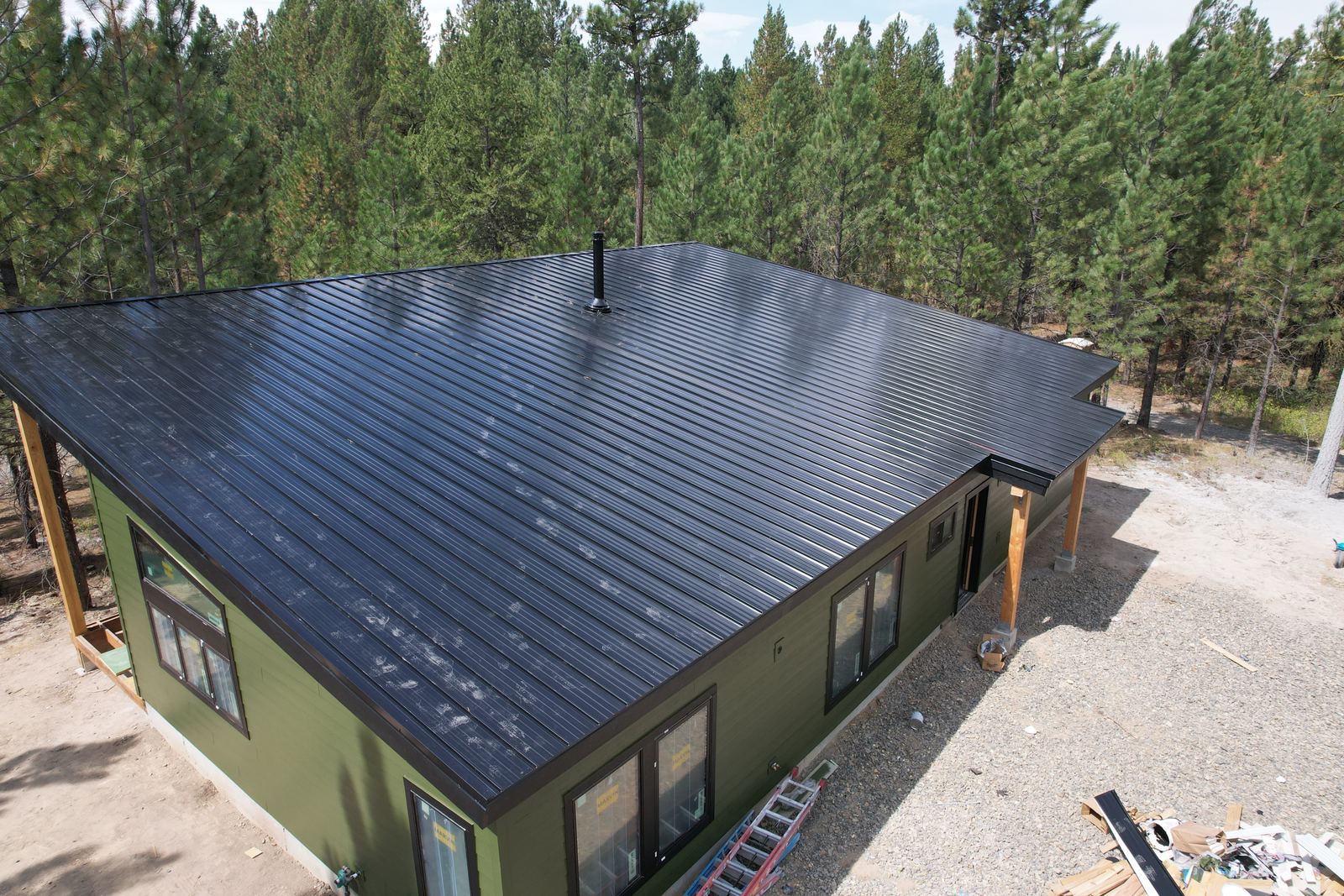
Quick vocabulary first. An asphalt shingle roof now usually means architectural shingles, thick laminated shingles like GAF Timberline HDZ. Residential metal means either a standing seam metal roof, with hidden fasteners and clean vertical lines, or corrugated metal roofing and other metal panel roofing with exposed screws, which costs less.
Cost and Installation
If the summer power bill is part of the decision, the energy comparison covers it in more depth.
Shingles take the upfront round. Material costs less, installation goes faster and nearly every roofing crew in the valley installs them well. Repairs stay simple too: one damaged shingle swaps out in minutes.
Metal asks for more money and more skill up front, with standing seam at the top of the price range. What you buy is time: the roof you pay for once may be the last one the house needs. To see how each option lands in real budgets, start with our roof replacement cost guide and get bids on both.
Lifespan and Weather Performance
So what is the most durable roofing material for our climate? Metal takes this round. Steel roofing shrugs off the sun that slowly bakes asphalt, sheds rain without absorbing it and carries strong wind ratings. Shingles fight back with Class 4 impact resistant shingles, which handle hail damage far better than standard lines.
Summer heat splits the difference in metal’s favor: reflective metal finishes bounce sunlight away, and shingle roofs run warmer. Both systems handle Idaho winters well when the attic below is vented and insulated correctly.
Does a Metal Roof Shed Snow?
Yes, and this is where metal shines in the foothills and out in the country. A smooth standing seam metal roof lets snow release in sheets once the sun hits it, so loads clear instead of piling deep. Snow shedding cuts ice dam pressure at the eaves too, since less snow sits there melting and refreezing. Plan for snow guards above doors and walkways so the release happens in safe places.
Shingles hold snow longer, which is fine on most valley floor homes but means more weight through a heavy winter and more attention to attic venting.
Which Roof Fits Your Home?
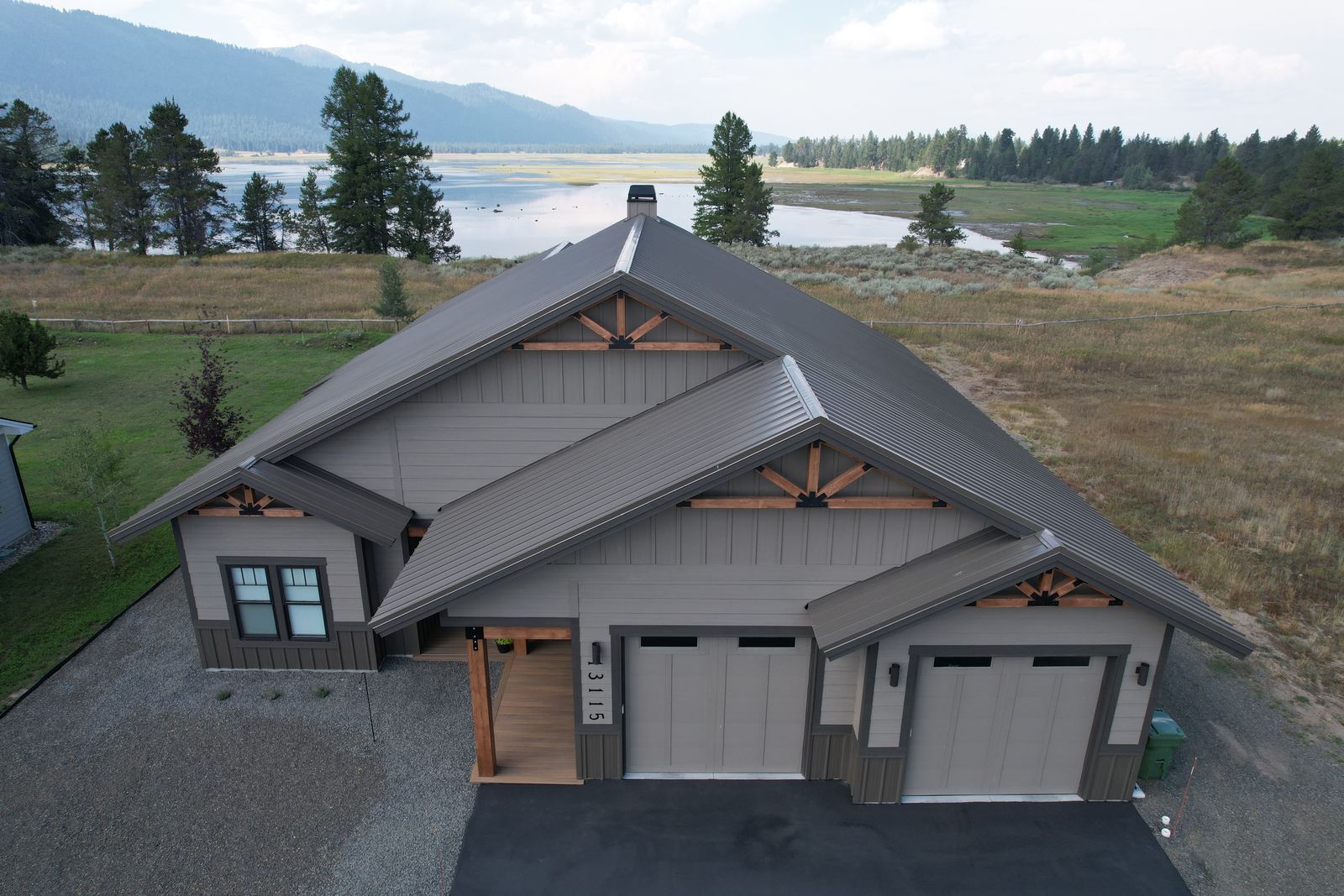
Looks count too. Architectural shingles blend into most subdivisions, and HOAs approve them without a second glance. Standing seam brings a clean, modern line that suits acreage, farmhouses and custom builds. Drive your own street before deciding: the right roof should raise curb appeal, not argue with every house around it. Lighter finishes on either material run cooler through summer.
Here is the honest sort. Pick architectural shingles if budget leads, the neighborhood look matters, or you may sell within a decade. Pick metal if you are settled for the long haul, want the strongest sun and snow performance, or own property where snow shedding matters. And is a metal roof worth it in Idaho? For long term owners, the math usually says yes; for shorter horizons, shingles win.
Bork Roofing installs both systems across the valley, from Boise to Star, and has since 2004. Browse our recent projects to see each material on local homes, then talk with our metal roofing crew or our asphalt shingle roofing team. Call (208) 869-6674 and we will price your roof both ways.
Sources: GAF shingles · Insurance Institute for Business and Home Safety · Metal roof, Wikipedia