What Does Proper Roof Installation Include?
Homeowners often ask what is needed to replace a roof, expecting the answer to be “shingles.” Shingles are the visible ten percent. The other ninety percent is preparation and layering, and that hidden work decides how the roof performs in a February ice storm or a July heat wave.
Here is the short list a quality Boise roof installation runs through: permit, tear off, decking repair, ice and water shield, underlayment, drip edge, flashing, shingles, ridge vent, cleanup and final inspection. The sections below walk through the parts that matter most.
Permits and Prep Come First
Permit rules vary by city across the valley, so a good contractor checks with your city permit office and pulls the roofing permit before a single shingle comes off. The permit protects you: it puts a city inspector’s eyes on the work and creates a record for your home’s next buyer.
Then comes tear off. Stripping the roof to bare wood is the only way to find soft, rotted or delaminated roof decking. Solid decking holds nails; spongy decking spits them out. Any bad sheet gets replaced before the new system goes down.
Good crews prep the site too: tarps over flower beds, plywood shields for windows and a magnet sweep for nails at cleanup. Ask each bidder how they protect the property, and listen for a specific answer. It tells you how the crew treats the details you will never see from the ground.
The Layers Under the Shingles
Three layers do the quiet waterproofing work, and attic ventilation decides how long they last:
- Ice and water shield: a self sealing membrane at eaves and valleys that blocks water backup from ice damming, the ice barrier the building code calls for in cold regions
- Synthetic underlayment: the tough secondary barrier across the whole deck
- Drip edge: metal at the eaves and rakes that kicks runoff into the gutters
Skip any of these and the roof may look fine for years, then fail early exactly where winter hits hardest. When you compare bids for a roof replacement in Boise, check that every layer is listed in writing.
Nailing, Flashing and Ridge Details
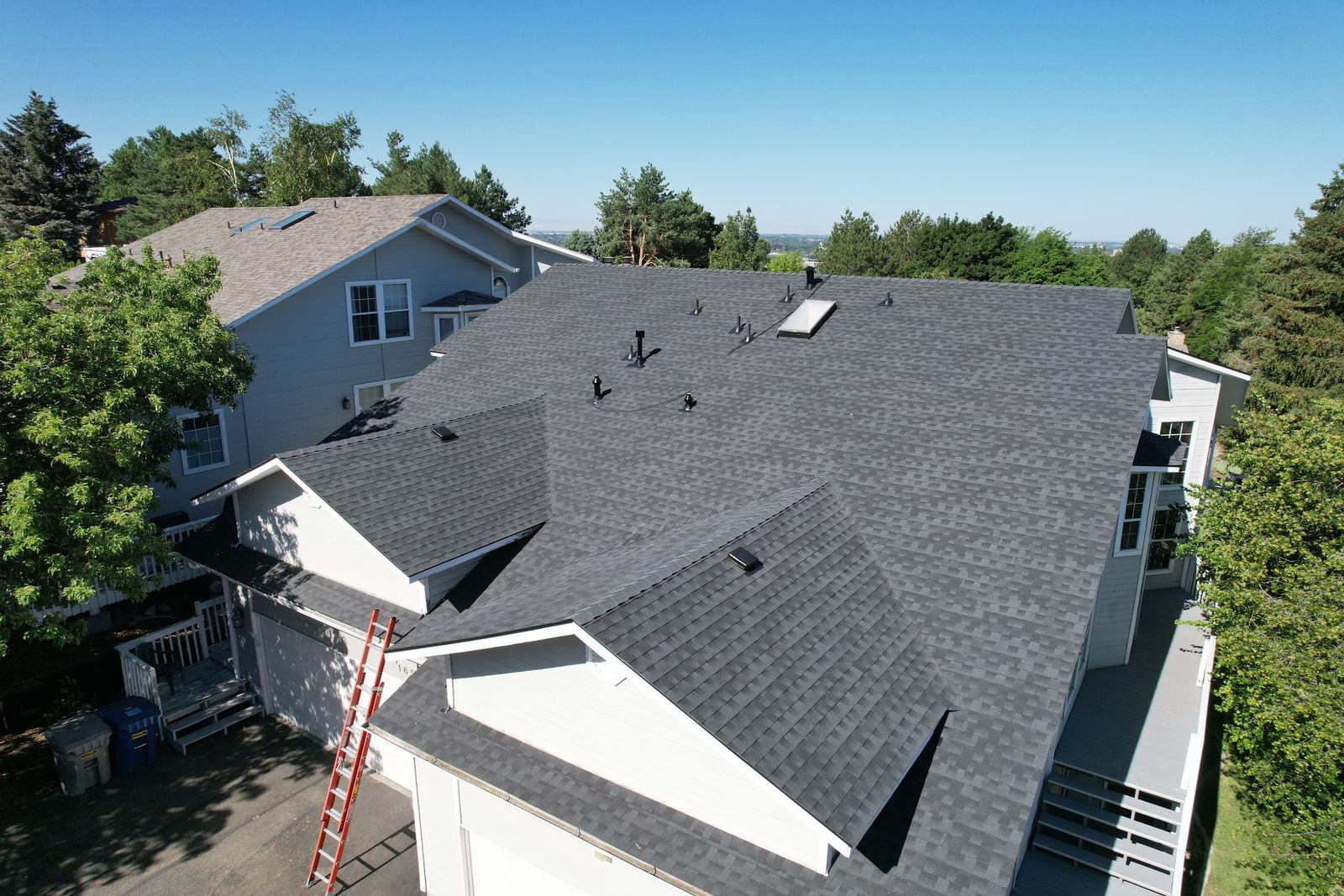
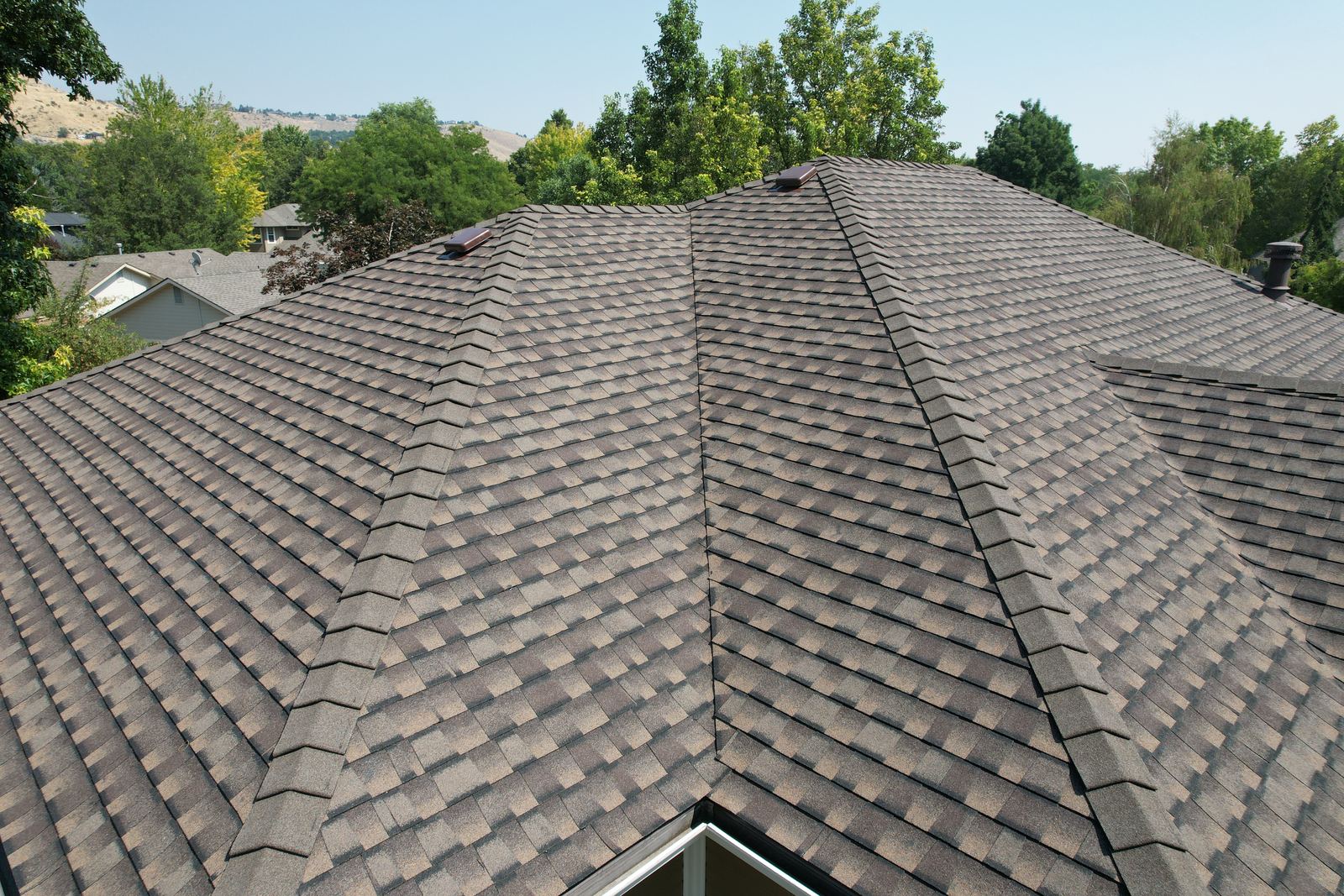
Shingle manufacturers publish exact nailing specs: four to six nails per shingle, placed on the nail line, driven flush. High nails and overdriven nails void wind performance and cause blow offs. Architectural shingles like GAF Timberline HDZ have a reinforced nailing zone that makes correct placement easier, which is one reason we install them so often.
Flashing details finish the waterproofing: step flashing up sidewalls, counter flashing at chimneys, boots at every pipe. One more spec worth asking about is minimum shingle pitch. Shingles need enough slope to shed water; below roughly a 2:12 pitch, a membrane system is the right call instead. A capable asphalt shingle roofing crew will tell you that up front rather than shingle a roof that is too flat.
Who Should Install Your Roof?
The best spec sheet means nothing without a crew that follows it. Look for a registered Idaho contractor with manufacturer credentials and local references. Bork Roofing is a GAF Master Elite contractor, has worked Treasure Valley roofs since 2004 and serves homeowners from Boise to Meridian and beyond.
Ask how the installation affects your roof warranty options, get the full layer list in your bid, and get it all in writing. Ready to talk through your project? Contact our team or call (208) 869-6674, in English or Spanish, and we will map out your installation step by step.
Sources: City of Boise · GAF shingles · International Code Council