What Is Re-Roofing?
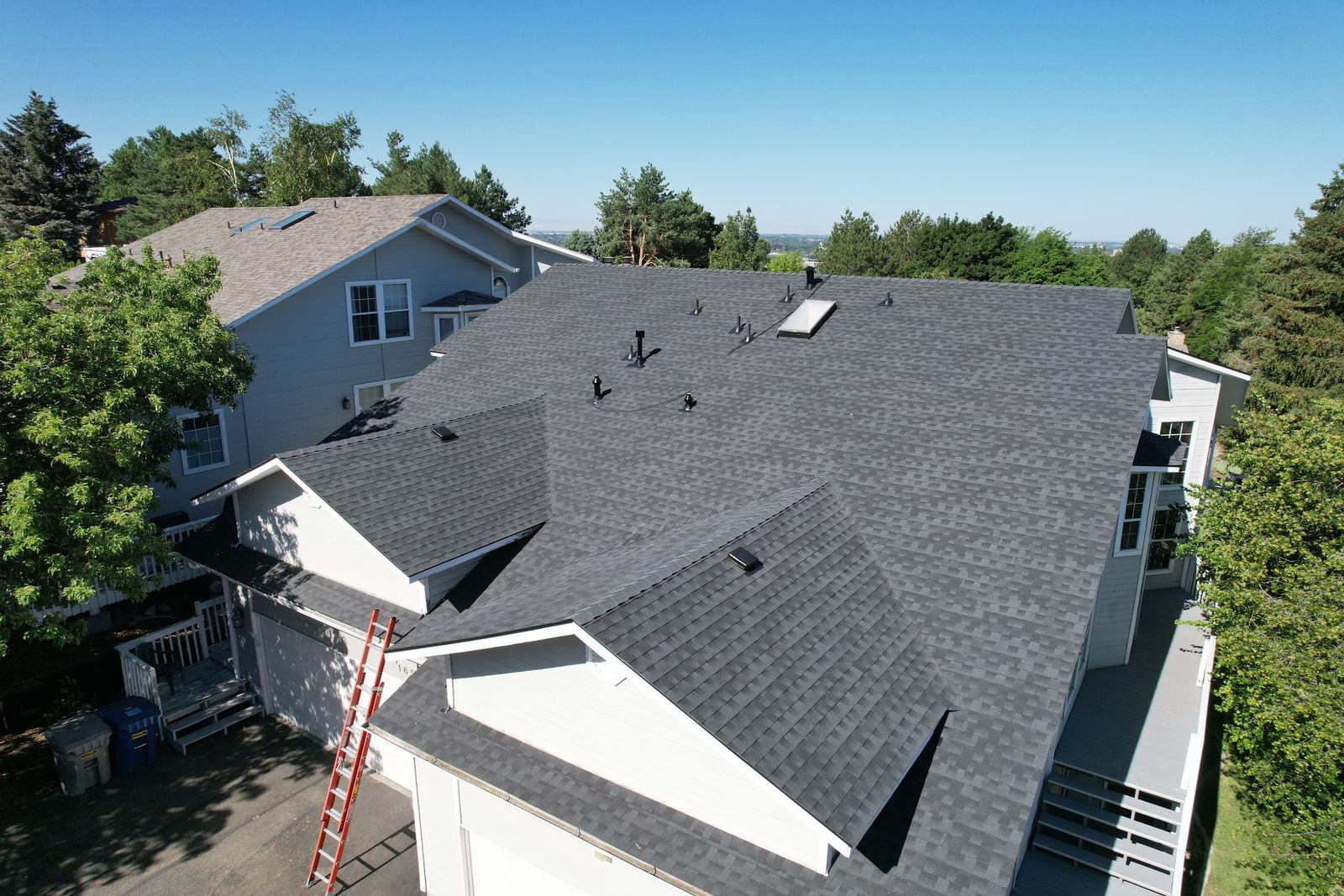
Re-roofing, sometimes called a roof over or layover, nails a fresh layer of shingles directly on top of the layer you already have. Nothing comes off. The old shingles become the base, and the new ones ride their contours.
The other path is the full rebuild. So what is a tear off roof? It is a job where the crew strips every layer down to bare wood, repairs the roof decking, then installs a complete new system: ice and water shield, synthetic underlayment, drip edge, flashing and shingles. When you re-roof, you get new shingles. When you replace, you get a new roof. That difference drives everything below.
Where a Roof Over Falls Short
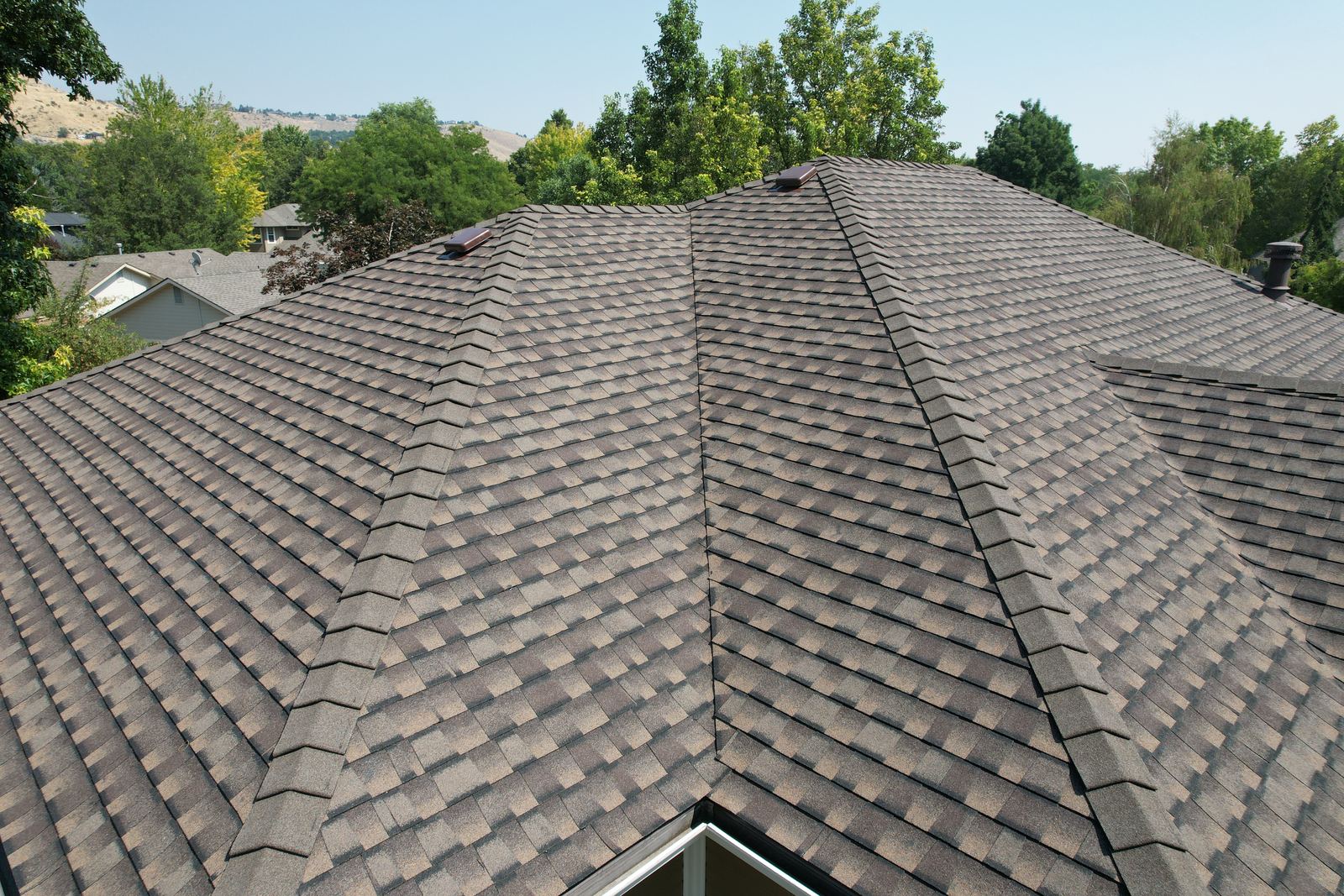
A layover carries four built-in compromises:
- Hidden damage stays hidden. Soft decking, old leaks and rusted flashing get sealed under the new layer. A full installation catches all three.
- Weight doubles. Two layers of asphalt shingles add thousands of pounds the structure must carry, on top of Idaho snow.
- The layers underneath stay old. No new underlayment, no new ice and water shield, no fresh drip edge at the eaves.
- Building codes commonly limit how many layers a roof can carry, so check with your city permit office and confirm the roofing permit rules before you commit.
There is a reason layovers show up most often in bargain bids: they make a cheap price possible by skipping the work you can’t see.
When Does a Layover Make Sense?
A re-roof is defensible in a narrow case: one existing layer, flat and well bonded, a dry deck with no history of leaks, and an owner bridging a few years before a bigger remodel or sale. A roof inspection can confirm whether your roof clears that bar.
Two adjacent notes. First, can you put a metal roof over shingles? Often yes, with furring strips and a permit, since metal panels weigh far less than a shingle layer; many cities allow it, so confirm locally. Second, commercial reroofing plays by different rules, since single ply membranes add little weight over a flat deck. Ask about both before assuming a layover is off the table; our metal roofing team handles the first case regularly.
Why Tear Off Wins for Most Homes
A tear off resets the clock on the whole system, not just the surface. The deck gets inspected and repaired. Every waterproofing layer goes in new. Architectural shingles seal to a flat base, and the manufacturer’s full system rating applies. For most Treasure Valley homes, from Boise out to Star, that is worth the added cost of labor and disposal.
Resale buyers and their inspectors read roofs the same way. A documented tear off with new underlayment shows up as a clean line item in a sale. A layover shows up as a question mark, and question marks cost money at the closing table. Home inspectors flag double layer roofs often enough that the up front savings can come back around.
Price both paths before you decide, and read our breakdown of roof replacement costs so the bids make sense side by side.
Get a Straight Recommendation
Bork Roofing has torn off and rebuilt Treasure Valley roofs since 2004, and we will tell you plainly if your home is the rare layover candidate. Compare your options with our roof replacement team in Boise, or call (208) 869-6674 for an honest look at what is under your shingles.
Sources: City of Boise · International Code Council